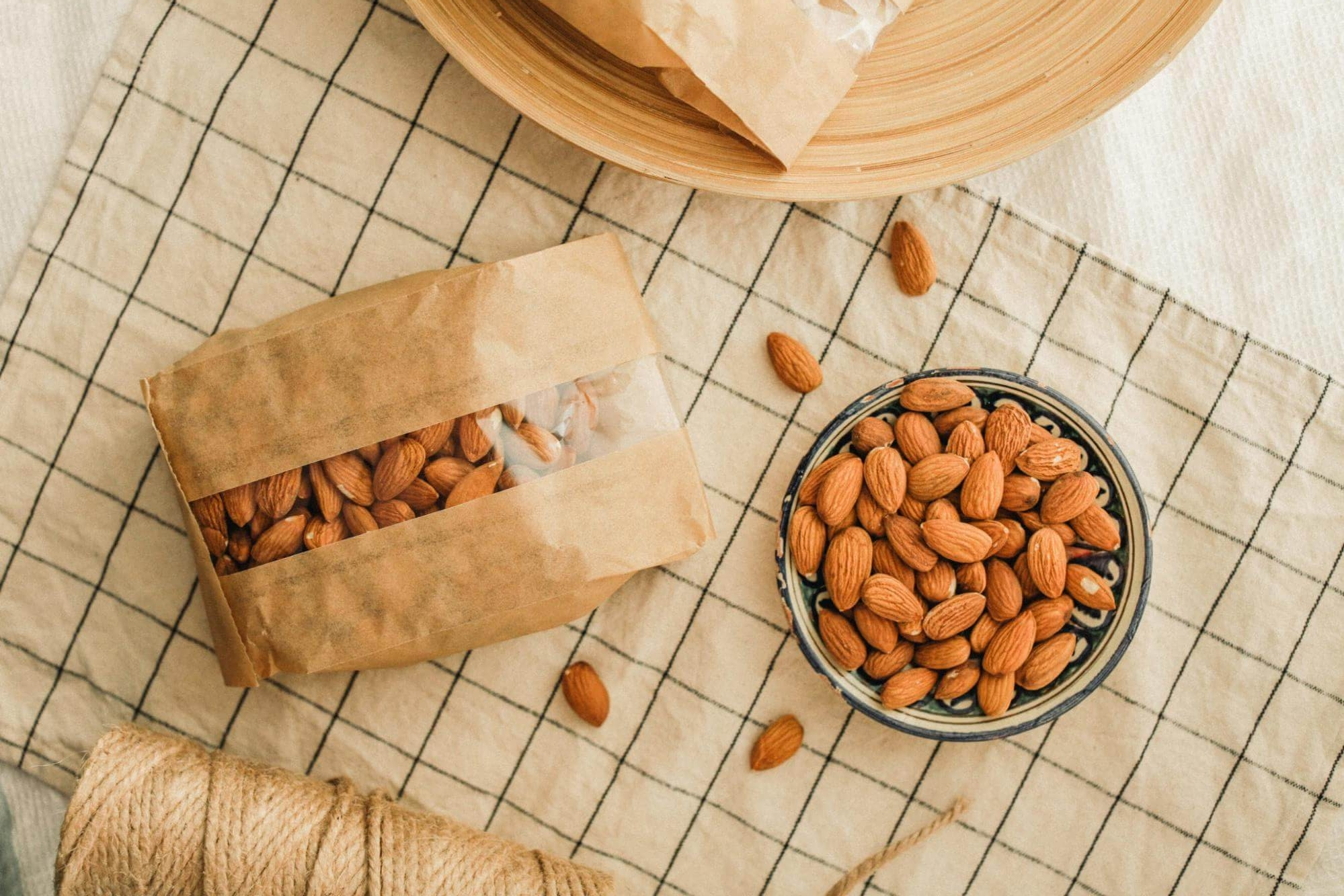
Those who manage to think differently and break stereotypes make trends. The designer’s goal is to convince the client that today creativity in packaging is the main factor in the future success of the brand. Nowadays, consumers have become more interested in unusual, original design of goods.
Also reading: Trends in marketing 2018
In other words, our consumers have seen many things: many have themselves been to the richest countries in the world and have been impressed by the extremely attractive marketing and convenient packaging of goods; others – thanks to access to the Internet – have had full access to information about quality foreign goods. Therefore, our consumer has also started to demand something exceptional from domestic goods, both in terms of quality and the stylishness and convenience of its packaging. If you know what trends in packaging design are relevant at this time, you can convey the essence of the brand and captivate the target audience much more effectively through visual means!
Environmental friendliness
A trend that has instilled anxiety in both buyers and manufacturers. For buyers – because of the need to increase costs for new consumer fashion, for manufacturers – because of the need to master new production technologies. The environmental friendliness of packaging depends on its material, ease of use and disposal (e.g. folding), ease of further recycling, as well as the universal reliability of packaging under various transportation conditions (in terms of preserving the freshness of the product and the integrity of the package). Based on the popularity of sustainability requirements, manufacturers have begun to favor the purchase of locally produced packaging products. After all, sustainability costs additional expenses that must be compensated somehow. And the delivery of locally produced materials is usually less expensive.
On the trends of 2017 here

Paul Hawken in his book “The Ecology of Commerce” tells about the facts that will convince any company to recycle its production waste and used packaging materials. Among Hawken’s theses is the idea that the ease of recycling packaging and the minimal damage it causes to the environment is a huge plus for a company’s positive image! Almost a decade has passed since Hawken’s ecological ideas were promoted to the masses. It is only relatively recently that respect for the environment and the purchase of the most environmentally friendly packaging has become the credo of our fellow citizens! Unfortunately, this trend is less noticeable in big cities, but, in general, it is still impossible not to notice some changes for the better!
A packaged “legend”
Describing the history and place of origin of the product on the packaging increases consumer confidence. It is characteristic for people to memorize “legends” and “get attached” to them. Packaging with history is an effective way to establish communication between consumer and producer.
You might be interested in: Brand Character Development
An entertaining story attracts the customer’s attention and establishes a kind of emotional connection between the customer and a product with interesting packaging. If the story of the product resonates with the customer, the product itself will become more understandable and attractive to the customer.

Whimsical frivolity
The main task of packaging is to tell consumers as much as possible about the product. But a simple and soulless packaging design is unlikely to attract the attention of the buyer. Those brands that have a lot of bright and creative ideas are more interesting.
A bit of humor and windiness in the package design will attract the consumer to further acquaintance with the product. Odd packaging can attract the attention of even a cynic and offer a variety of sensations.

Clarity of contrasting lettering
Pop art is all about clear lettering and contrasting bold type in label design. This trend is juxtaposed with minimalism and simplicity, something that most designers are very fond of. There is no room for asceticism, we are seeing expressiveness flourish.
This approach is used for those products where it is extremely important to emphasize certain trump cards in the design! Also contrasting inscriptions are characteristic for labels of brands with a wide range of products.

Ambiguity
In most cases, designers trying to create a super design for a product can endow it with too many details. And a lot of information and colorful graphic elements can simply scare the customer away!
Understatement is a way to draw the consumer’s attention to a certain product rather than a brand “shouting” about itself. Packaging with an elegant understatement can evoke pleasant emotions in the buyer and show the product from a good side. One of the most popular ways to achieve this effect is a photo on the package illustrating a certain image, accessories or emotional state accompanying the use of the product.

Handmade
We strive to make our lives easier, and at the same time we like to pamper ourselves with something original. Products that are handmade look unique, so buyers agree to pay more for them. But buyers want to be sure of the quality and authenticity of the brand they are buying.
Handmade packaging design carries some vivid imagery lurking in the handmade illustrations, uppercase fonts and unique typography.
A “handmade” package design should tell the buyer: this product is original and made “exclusively for you”. This trend in packaging design is becoming more and more relevant, while the standard design of mass products is fading into the background.

“Branded” Lifestyle.
This is a rather fresh element in package design. Its essence is to sell not the product itself, but the emotions that accompany its use or consumption. In design it is expressed in the image on the package of happy and joyful people who have already bought and used the product, which attracts the buyer to a particular lifestyle of the brand. Or elements of a fashionable style of clothing or accessories close to the target category of buyers.

“Back in the past.”
This trend reminds of pleasant memories from the past and evokes nostalgia for the “old days”, which visually, most often, is expressed in the use of elements of the style of the 60-70s for packaging design. But this trend should not be equated with “retro-style” design, which exactly copies the old design. Rather, this trend reinterprets the old in a new way and offers the customer the former emotions in a higher quality of performance.

Stylish minimalism
“Better less is better” – this axiom has been discussed by designers for a very long time. The use of minimalism in the design of packaging, carries simplicity, elegance and emphasizes the key idea of the brand.
Most major brands have caught on to this trend and are constantly proving its effectiveness in different product segments: from electronics to food. Stylish minimalism combined with “whimsical frivolity” and “understatement” is one of the most popular trends in packaging design this year.

Creative freedom of expression
“Active creativity” is aimed mainly at a young audience of cynical, emotional and emotionally overloaded buyers who do not need tradition, but only constant innovation. This trend recognizes creativity as the main driving force, which gives freedom to creativity and does not violate the integrity of the brand.

A growing number of shoppers confirm the undeniable influence of packaging design on purchase motivation. But not all brands are adopting the 10 popular trends described above. Small grocery brands and private labels are more willing to use them in the battle for customers, unlike global corporations that still rely on media promotion. But many Western consumers prefer those food brands that attract attention with their packaging “with a twist”.
We remind you that we can find the “zest” of your product and present it to the customer in the form of a cool package. KOLORO branding agency. You can order packaging design development by our contact phone numbers or through the free consultation form located in the contact section. See you soon!