The Ukrainian confectionery market has changed a lot during the economic crisis: key players have given up their positions, and buyers have a different approach to choosing sweets. We will talk about the market development and its prospects in this review.
Confectionery – sweets, with high nutritional value, bright visual appearance and unique flavor. The main raw material for the preparation of products is sugar and its substitutes, such as honey. The composition of products most often includes such ingredients: flour, milk, fats, cocoa, nuts, food coloring.

Confectionery products are categorized into three groups:
- sugary. This group includes caramel candies, toffee, marshmallows, marshmallows, oriental sweets, jelly candies, etc;
- chocolate – bars, chocolate bars; chocolate candies, etc..;
- Flour – cakes, pastries, gingerbread, waffles, cookies, cookies, etc.
Confectionery market overview: buying situation
According to statistics, 6 kg of chocolate per year is eaten by a resident of Western or Central Europe. Analysis of the confectionery market in Ukraine shows that Ukrainians consume chocolate and other sweets several times less – about 1.3-1.4 kg.
However, the figures show not the lack of popularity of sweets in Ukraine, but the difficult economic situation: in 2014-2015, there was a sharp decline in incomes of the population. There was minimal improvement in 2016. Ukraine’s confectionery market in 2015 was 0.1% smaller than in 2016.
Confectionery has become a major cost-saving item. The decline in consumption has affected the volume of confectionery production.
Do not miss: Analyzing the Ukrainian candy market

Confectionery market research: criteria for consumer choice
In Ukraine, confectionery products are not essentials. Sweets are more likely to appear on tables before guests arrive. Peak shopping is Valentine’s Day, March 8, and New Year’s holidays. Chocolate products are purchased when you need a quick snack and energy replenishment. Chocolate and other sweets are also chosen to enhance mood. Therefore, manufacturers emphasize the emotional purchase decision in their advertising. The country of manufacturer plays a role in the choice of goods: the buyer more often chooses Ukrainian products. Its popularity is due to the following factors:
- price – domestic products are more affordable than imported ones;
- quality – Ukrainian companies offer a wide range of good quality products;
- Made in Ukraine trend – since 2013 Ukrainians have been striving to support local confectioners.

Confectionery business in Ukraine
Before the crisis in 2013, Ukrainian companies produced more than 900 thousand tons of sugar confectionery products. However, the confectionery trends of 2016 showed a strong downturn in the market. According to Gosstat, confectioners made less than 600 thousand tons. At the end of 2017, the market deteriorated almost 1.5 times. The profits of confectionery companies were affected by their location. AVC factories were located in the eastern regions of Ukraine and are currently not functioning. In 2017, AVC was not even in the top 5 in the flour products segment, while it was the leader in the chocolate segment until 2013.
The analysis of the flour confectionery market shows that until 2013 the leadership was held by Conti factory. It has now ceded the primacy to the Roshen factory. Throughout Ukraine this company carries out the production of confectionery Kiev is no exception. The crisis played into the hands of some manufacturers: the manufacturer “Biscuit-Chocolate” (Kharkov) with the market share of 7.9% moved up to the second position from the fourth. The Zhytomyrski Lasoschi factory with a market share of 2.1% became the tenth in the rating of Ukrainian producers.
Read also: Analyzing the flour confectionery market in 2016

Flour confectionery production volumes in 2016

Ukrainian confectionery market 2016: Roshen leads in the sugar segment

Confectionery manufacturers: Roshen in first position in chocolate segment

Confectionery manufacturers: industry leaders
Import and export of confectionery products in 2017
There is strong internal competition among companies. Confectionery producers in Ukraine are actively fighting for the local market. This is because exports have declined strongly since 2013. In the current environment, confectioners are fighting for customers the tried-and-true way – by reducing the cost per product. The lower the retail price, the better the chances of increasing market share. Reduced imports allowed manufacturers to cover the costs of raw materials, which had increased in price. Exports brought in approximately $100 million to producers.
Producers are establishing export share. Ukrainian companies are stimulated by the absence of duties on sweets in the European Union. The leaders of the Ukrainian market: Roshen, Konti Group and AVK are actively using the opportunity and bringing new confectionery products to foreign markets. In 2017, confectionery exports grew by 11%. Ukrainian sweets are actively bought in Belarus, Kazakhstan, Azerbaijan, Moldova and Turkmenistan. In the EU, products in Lithuania and Poland are in great demand. There are export growth rates of 120% (former CIS countries) and 60% (EU). Increase sales to America, Mongolia, and Iraq. According to the State Statistics Committee, exports totaled $297.2 million in January-August 2017.
Branding agency KOLORO will conduct a qualitative analysis of the Ukrainian confectionery market.
Pastry Trends 2016
The market of confectionery products in Ukraine strengthened two years ago, as evidenced by the positions in the Global Top 100 Candy Industry ranking. In 2016, the list of the world’s largest producers of sweets included 3 companies from Ukraine: Roshen, AVK and Konti Group. The Roshen brand was ranked 22nd in the world for the second year in a row. “Konti Group moved up four positions in the ranking to 38th place. According to Candy Industry, Konti Group maintained sales at the 2014 level of $473 million. AVC ranks 67th on the list. Manufacturers saw sales decline 2% to $269 million.
Package design
The main function of any packaging is to protect the goods from the outside world. On supermarket shelves, the job of the wrapper is to attract customers and protect the integrity of the product. When designing it, manufacturers take into account the characteristics of the products so that they do not melt or chip. In addition, the shape is adapted for easy transportation.
Note to: Overview of the confectionery packaging market
There is a trend towards choosing eco-materials that are recyclable.
The market of confectionery products in Ukraine 2016 demonstrated that manufacturers are trying to attract the attention of buyers, using original forms.
KOLORO branding agency will design or redesign the packaging and make it as attractive as possible.

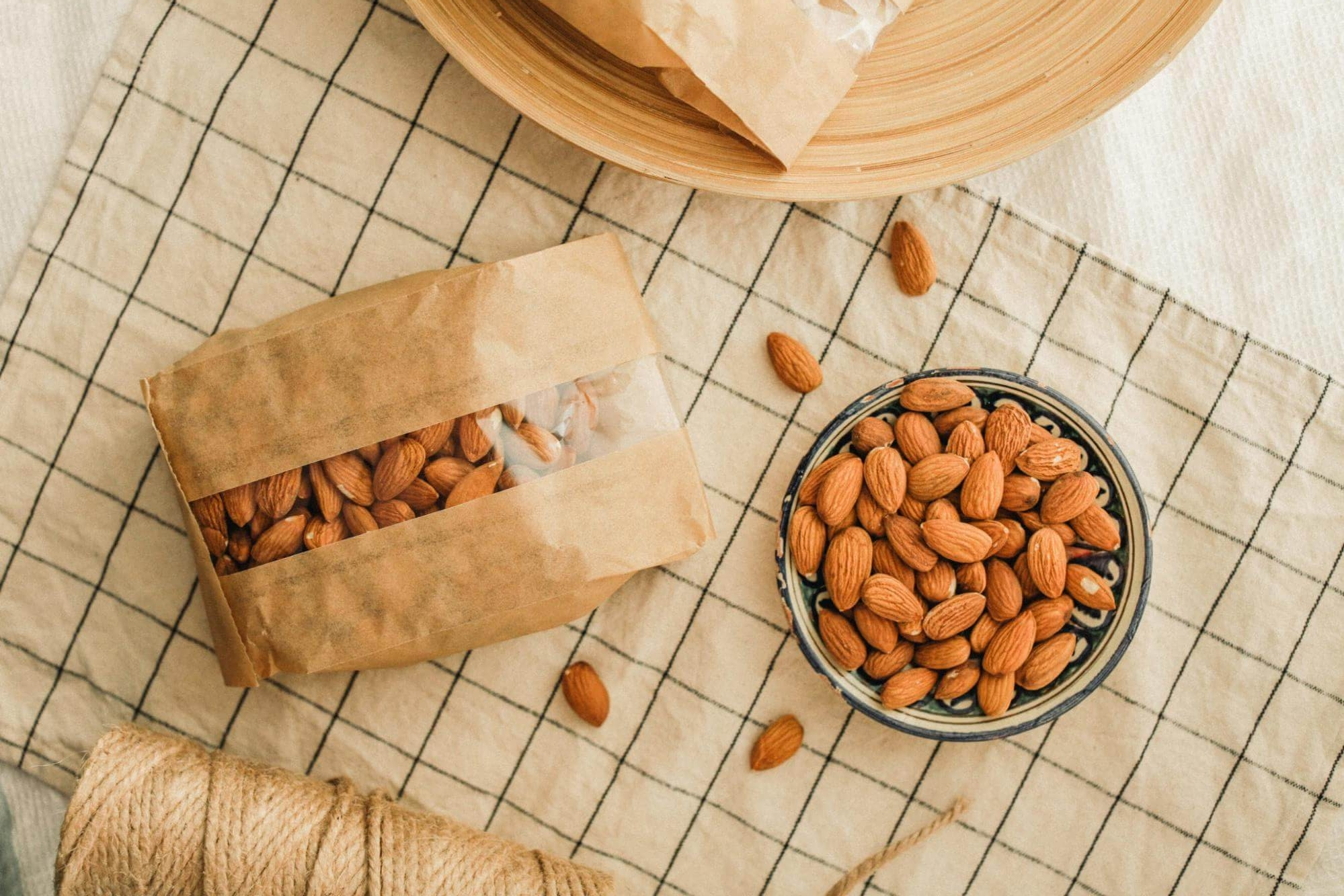
There is a trend towards decorating products in kraft paper. Roshen chocolates, for example. The visualization of the filling increases the attractiveness of the product, but overall the packaging is designed in a minimalistic way.

AVC often favors gift wrapping of non-standard shapes.


European manufacturers are in a constant search for original packaging. Fortnum & Mason has designed a new brightly colored packaging for the Fortnum Florentine cookie range in 6 variations. Each box has a successful combination of colors, shapes, and patterns on each box. The color palette is contrasting and expresses the characteristics of each type of cookie. In the packaging, the manufacturers used foil, metallic colors and varnishes that give it a distinct texture. The round window in the packaging echoes the shape of the cookies and allows you to see the product itself. Label design is one of the key components of a successful brand.

MAJKA brand has created a protein product for breastfeeding moms. The soft color palette and abstract patterns make the product stand out from the rest. Compact size and allows you to put the cookies in your bag. There is a zipper to keep the product from falling apart.
Ukrainian confectionery market forecast for 2018

The analysis of the confectionery market 2017 demonstrates that the development prospects are not very encouraging, but nevertheless, there are positive dynamics. New trends in confectionery production:
- a tangible drop in imports of imported products and an increase in exports;
- 8% growth in cookie production volumes in 2017;
- 2% growth in chocolate products;
- a 4.2% drop in production in the sugar confectionery segment;
- a 6.2% drop in the chocolate segment.
Export growth to foreign markets looks promising. According to experts, the Ukrainian confectionery market may increase exports to the European Union up to $450 mln in the next two years.
Do you want to build a successful confectionery brand? Contact KOLORO branding agency and we will conduct market research.