Computer games are an alternate reality that allows you to get emotional and disconnect from the real world. What makes this immersive effect possible? In this article, we will talk about creating gameplay that provides the feel of the game.
Gameplay – the rules and features of the player’s interaction with the game, its reaction to human actions and the whole set of possible actions available to the player in the gameplay. He is responsible for the game experience a person receives. The term is considered vague and imprecise, but generally describes the nature of interactions with the game.
What is it that maximizes the immersive gaming experience?
Techniques used in creating gameplay
Game creators use such techniques when designing gameplay to make the experience feel real:
- Tweening.
The effect is responsible for the inertia and unevenness of movement during the game. Allows you to create a sense of the real world, in which a person needs to adjust to the environment and seek balance to successfully perform tricks, jumps and movements. A good example is skateboarding games, where freezing in jumps, acceleration and balance during tricks create a real skateboarding experience.
- Sound Design.
Sound sensations complement the perception of reality, so sound design is given a lot of attention in the game development process. That said, recordings of real world sounds are rarely used to recreate the sounds of battle, shooting, running, and other actions. To enhance the effect, sound designers select similar sounds that more fully provide the richness of the sound. The following technique also applies to sound design.
2.1. Layering of sounds.
Sound designers layer sounds on top of each other for a full sound. Punch sounds can be combined from recordings of the sound of a carpet being kicked out, a watermelon splitting, a broken branch, and other sounds picked up on top of each other. In sound design, all frequencies are “pulled up” to the right level and existing empty spaces are augmented with new sounds so that the end result is lush.
2.2. Harmonization.
Sound harmonization is necessary to adjust different recorded sounds to the same frequency. Thanks to this, the roar of the engine, the squeak of the door and even the sounds of the chase do not make a person cringe with pain in the ears – they resemble music in euphony rather than some individual noises.
2.3. Decrease in sound quality.
With Bitcrusher, the game purposely lowers the bitrate of the sound, adding a synthetic tinge to it and making it noisier and harsher. This effect is used in pixel decay stylized games. It adds to the entourage and specific atmosphere of late 90s games.
- Shaky camera.
When punching, the shaky camera effect helps you feel the force the game character is putting into the fight. The technique is also used in cinematography, when filming fights and the hero’s escape, when the camera moves behind him as if the viewer were running after the character.
- Velocity of objects.
The weight of in-game items allows you to get a feel for the increase or decrease in the speed at which a character can use them. For example, a knife will fly faster when thrown than an axe when thrown or even swung by hand. Visualize the speed of movement and additional graphics – such as thin lines representing the wind when riding a car or horse fast.
- Contrast.
Contrasting colors make the gaming experience more vivid. The juicy, sometimes even acidic colors completely immerse the brain in the game, attracting attention. Exaggeration is a good tool for tricking the brain. It works by getting the player’s attention.
- Control and management.
In contrast to the above mentioned techniques implemented in the game space itself, the control and management of the game process is done externally – with the help of the game joystick. In this case, the convenience of the equipment should be combined with thoughtful game functionality.
The more intuitive the controls are, the less a person will have to be distracted to figure out the joystick. The issue of “responsiveness” of the joystick is also important – the buttons should not stick, the movement should come from a light touch to the buttons and be regulated by the degree of their pressing. It is also important that the joystick transmits vibration to create a sense of intensity of certain actions.
- High Density.
The frequency of actions to be performed in the game also affects the feel of the gameplay. The higher frequency is not used in all games, as it is not always appropriate. But in Kirby and The Rainbow, for example, it’s the intensity in which the player has to press the joystick keys that provides the immersive effect.

- Exceptions.
In some games, the standard rules take a back seat. In this case, the emotion comes at the expense of the unpredictability of the game – for example, when it takes a different number of shots each time to kill a monster, or when instead of the expected loud sound you only hear quiet ingratiating footsteps.
Summarizing the listed techniques of creating gameplay, it is possible to define the rules, observance of which will help to immerse a person in the process of the game:
- Faster.
- Stronger.
- Louder.
- Brighter.
- Juicier.
Hyperbolization in the game allows the brain to forget that the person is in a fictional world and reproduce reactions and sensations as if everything is happening in reality.
Also read about what gamedesign is in our article.
Gameplay is not the only thing: What are the important things to keep in mind when creating games?
Creating gameplay for a game is a necessary part of developing a game product. But other factors besides gameplay are responsible for the feel of the game:
- Narrative.
The story is the driving force behind the gameplay. A rich gameplay won’t do a good job of keeping a person interested in the game if the story being told is uninteresting or has gaps and logical inconsistencies. Actions in the game must be logical and make sense, otherwise the game will get boring quickly.
- Graphics.
The graphic design depends on the overall style of the video game. Today, the trend is for detail and approximation to the real world – computer games are becoming more and more like movies. But there are exceptions – arcade games that emphasize the opposite of reducing graphics to visible pixels.
- Speed of operation and loading.
A game that makes the player wait is knowingly losing out to a game with fast loading and sensitivity to human action. For realistic feelings, the speed of reaction of the game engine to the data received from the joystick is important, because every second of slowdown reduces the feeling that what is happening in the game is real.
Read about creating a game story in our article.
7 examples of games with impressive gameplay
We’ve collected 7 examples of games with gameplay you can take examples from:
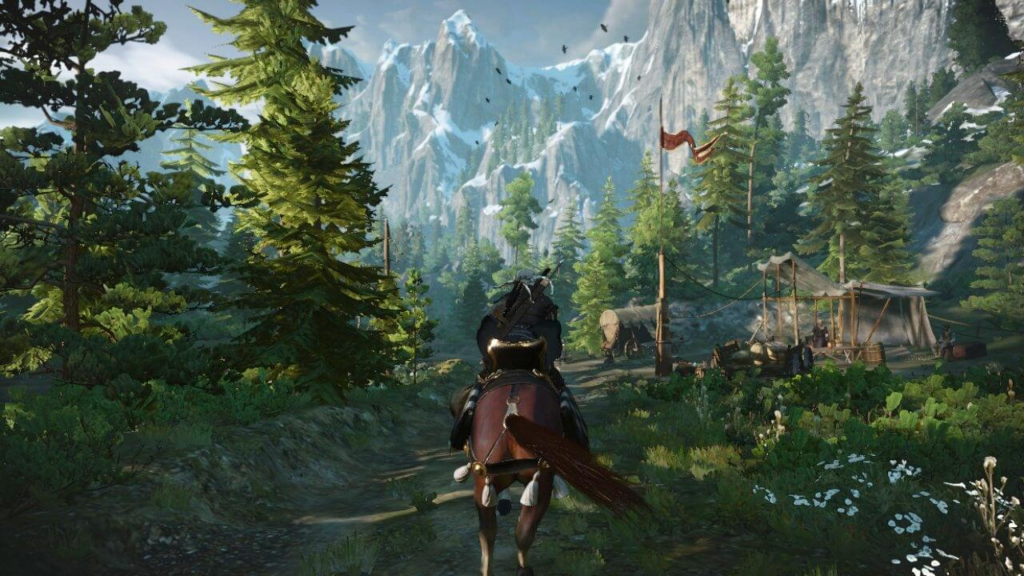
- The Witcher. “The Witcher” based on the books by Andrzej Sapkowski is a series of games, thought out to the details. In addition to the character’s movement, the immersive effect is achieved through the surroundings. When it rains in the game, the graphics – clouds thicken, trees tilt in the wind, drops hit your face – and sound design are also involved: the player gets the feeling that he himself is in the center of the storm.
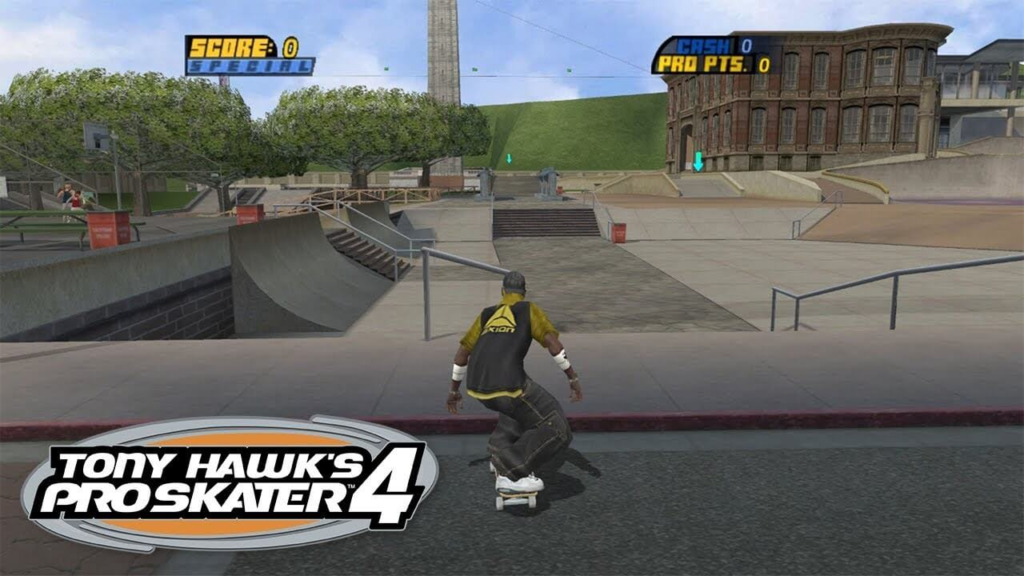
- Tony Hawk’s Pro Skater 4. An example of a successfully applied smoothness effect – the skateboarder’s movements are realistic due to hovering in the air during jumps. The weight of the character is felt when trying to choose the perfect trajectory to perform stunts.
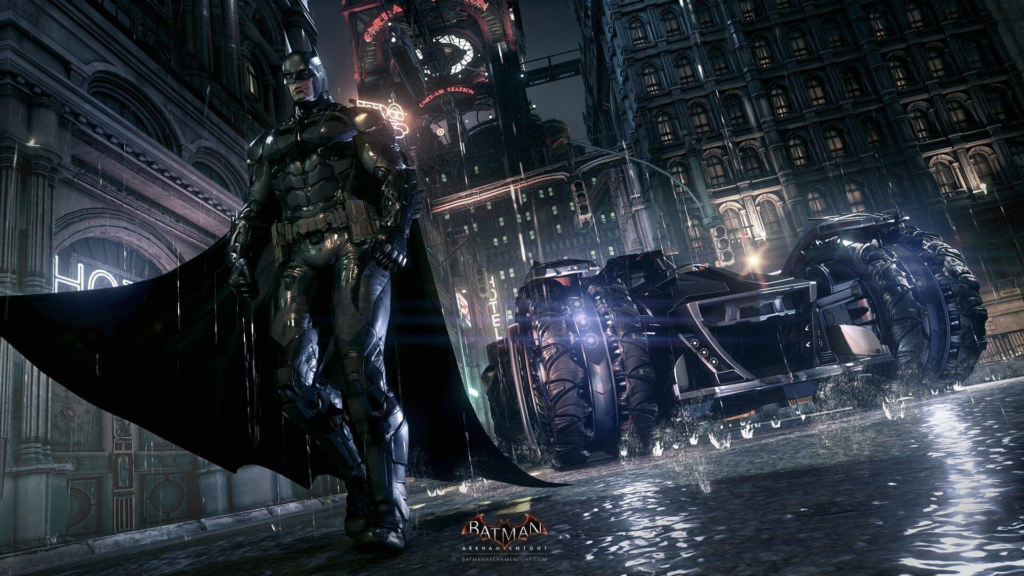
- Batman: Arkham Knight. The layering of sounds used to create a full sound in fights and punches is an example of quality sound design. As a result, the sound is even more realistic than in real fights.
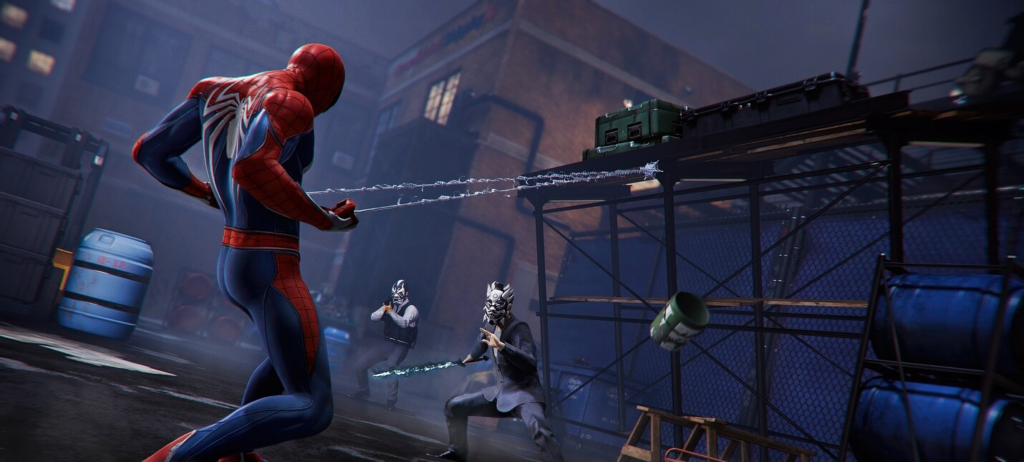
- Spider-Man. The game collects several techniques at once to enhance the sense of reality. Smooth camera movement behind the character, contrasting colors, clear control with the game joystick do not let you distract from the entertainment.
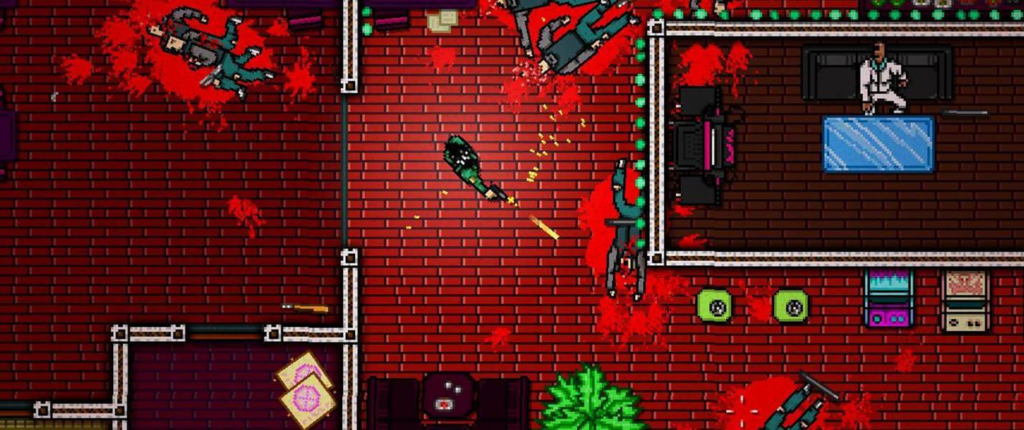
- Hotline Miami. Shaking the screen when you hit it is complemented by bright flashes outside the game area, shading what’s going on. It becomes easier for the brain to immerse itself in the game as bright colors and sudden movement draws attention.
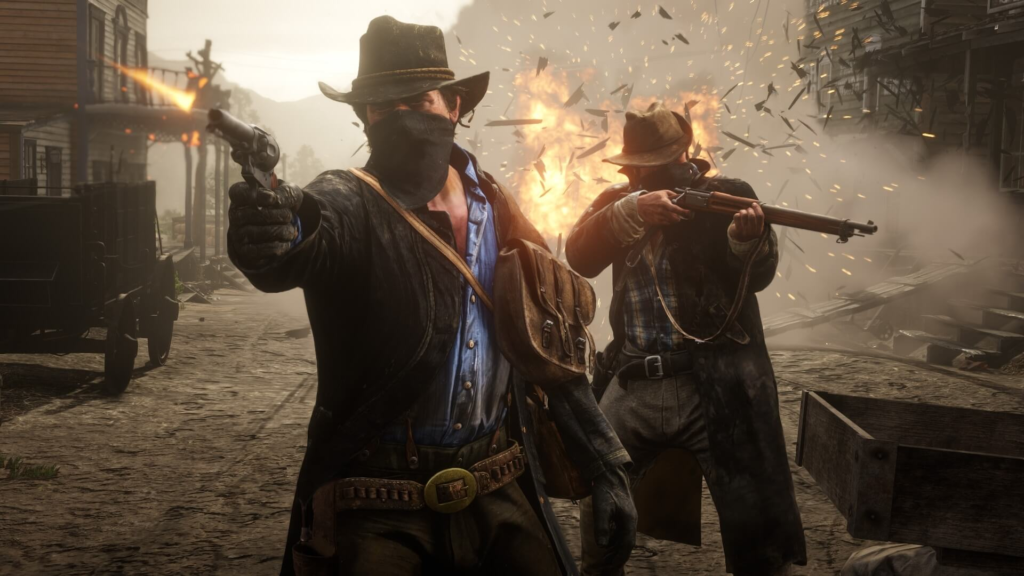
- Red Dead Redemption 2. Slowing down when firing makes it more real. When firing a revolver, it takes a fraction of a second for the trigger to depress the whisper. There is a slight delay in the game, complemented by vibration in the joystick and sound effects, creating a total feeling of a real shot.
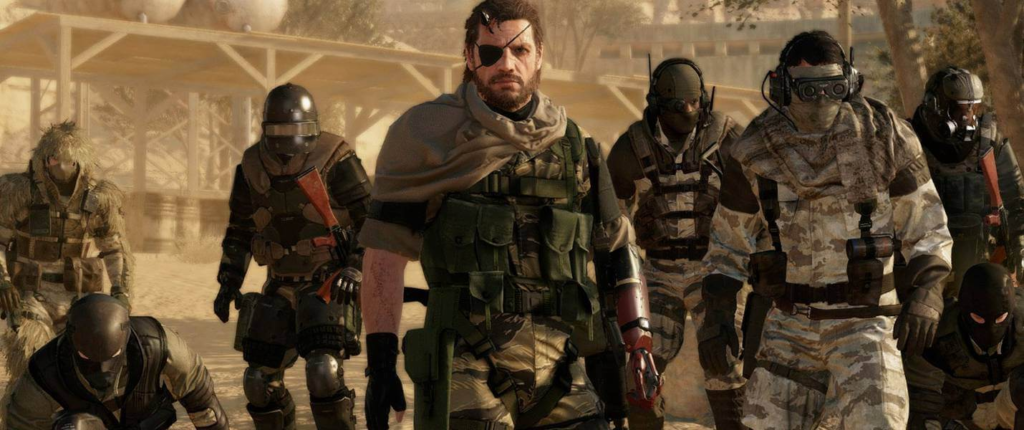
- Metal Gear Solid V: The Phantom Pain. The cinematic technique of enlarging the frame during fights showed itself well in the game. At the moment of impact, the camera zooms in sharply, enlarging the frame, returning to its previous state after it has been struck. This emphasizes the action done, and the additional shaking of the screen enhances the effect.
When creating gameplay, certain techniques are used to engage a person in the gameplay. By learning to differentiate between them, you can understand what computer games are made up of and create your own game products.
Order gameplay creation in KOLORO
You can order gameplay creation from KOLORO. We will help in the creation of the game from the gameplay design phase to the graphical design of the gameplay.
KOLORO’s list of services includes mobile app development, brand positioning, branded character rendering and other services.
If you have any questions, please call or email. We would be happy to help you create a computer game with modern gameplay!