Game gameplay – a set of characteristics that describe the features of the player’s interaction with the game, its response to his actions and decisions, as well as the subtleties of game mechanics. In particular, gameplay is responsible for immersive gameplay. Today we’re going to talk about how the main character’s motivation affects immersion in the game and the rules that will help it succeed.
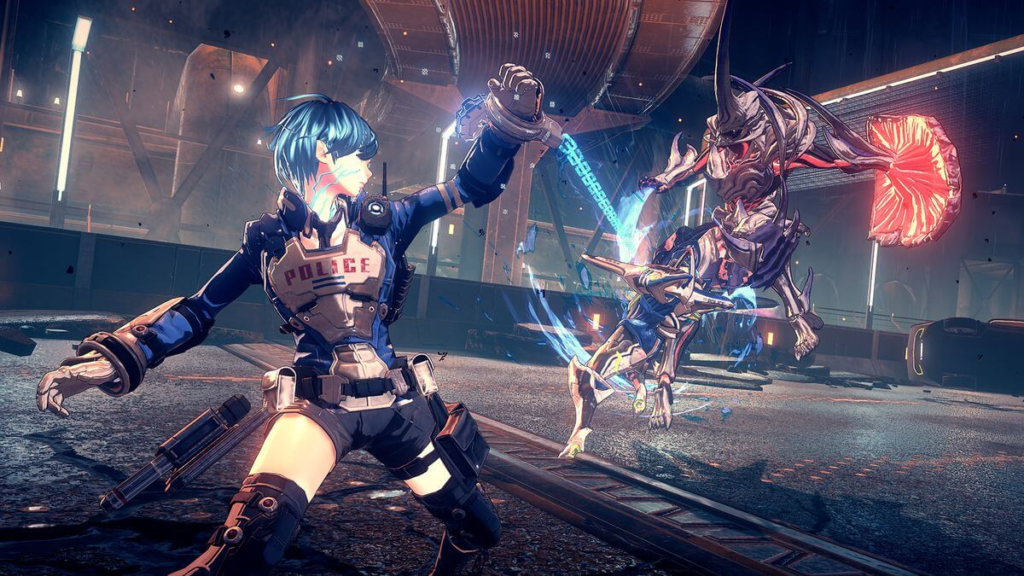
Gameplay design consists of a number of steps:
- Creating a gameplay design document.
- Sketches of the game’s graphic design.
- Development of game mechanics by programmers.
Each stage is divided into smaller parts. The character’s motivation is worked out during the gameplay design stage and is part of the game’s story. How exactly does it affect immersive gameplay?
Techniques and rules of immersion in the game through the motivation of the protagonist
Immersion is responsible for maintaining the player’s interest throughout the gameplay. We’ve previously written about gameplay creation and tricks to keep a person’s attention with game mechanics. In this article, we will talk about another important component of immersion – the motivation of the protagonist.
Motivation is a character’s primary goal, creating the meaning of the game. The game designer’s job is to guide the player in the intended direction, and preferably the player should be confident in making decisions on their own.
Game designers use these techniques in the process of creating motivation and gameplay of the game:
- The gap between expectation and reality.
By creating an Expectation gap, the game designer is forcing events. For example, having traveled the entire game with a partner, after suddenly kidnapping a friend the player will want to get him back by all means. This will speed up the pace of the game and steer the hero in the right direction intended by the gemdesigners.
Important note: this requires that the player has had time to become attached to the game partner, and the actions required to rescue him/her are clear and obvious.
Why do game designers use Expectation gap?
There are 2 reasons:
- Emotional Response. The more emotions and experiences the game evokes in the player, the more immersive the gameplay.
- A distraction from minor gameplay flaws.
For example, if the developers didn’t have enough time to finalize the playing field or a section of it, forcing events distracts the player from the environment, forcing them to focus on the goal.
With story, you can do this without resorting to annoying game mechanics – no timer to complete a task or showing a character’s rapidly dwindling health bar. It is enough to motivate the player, to arouse emotion in him, and he himself will want to quickly complete the task set before him.
- The synergy of motivation and gameplay.
The synergy of character motivation and gameplay is one of the factors of immersive gameplay. A character’s actions must be consistent with the qualities prescribed for his character, otherwise ludonarrative dissonance occurs.
Ludonarrative dissonance is a term coined by Clint Hawking, creative director of Far Cry 2. It marks the gap between story and gameplay. An example is the game Uncharted. The protagonist Nathan Drake is positioned as a charming, funny and kind character, ready to make friends even with the enemy, as evidenced by the gameplay trailers. But once the game itself begins, Nathan is killing people left and right, which makes the story and gameplay feel inconsistent.

To avoid such missteps, the game designer must correlate gameplay with the character invented, and in case of inconsistencies, either change game mechanics or adjust the character’s personality traits and motivations. In the Uncharted game, it was enough to make Nathan a colder and more ruthless character, or to change the game mechanics by handing him a safer weapon than a gun.
- Types of characters by analogy with Maslow’s pyramid
Even simple survival games have a goal: stay alive. To do this, you have to get food, fight monsters, and build housing. The motivation is very clear and yet it is there, forcing the player to focus all their energies on achieving the required goal. Drawing an analogy to Maslow’s pyramid, such games emphasize the basic needs of the individual – that is, the game character.
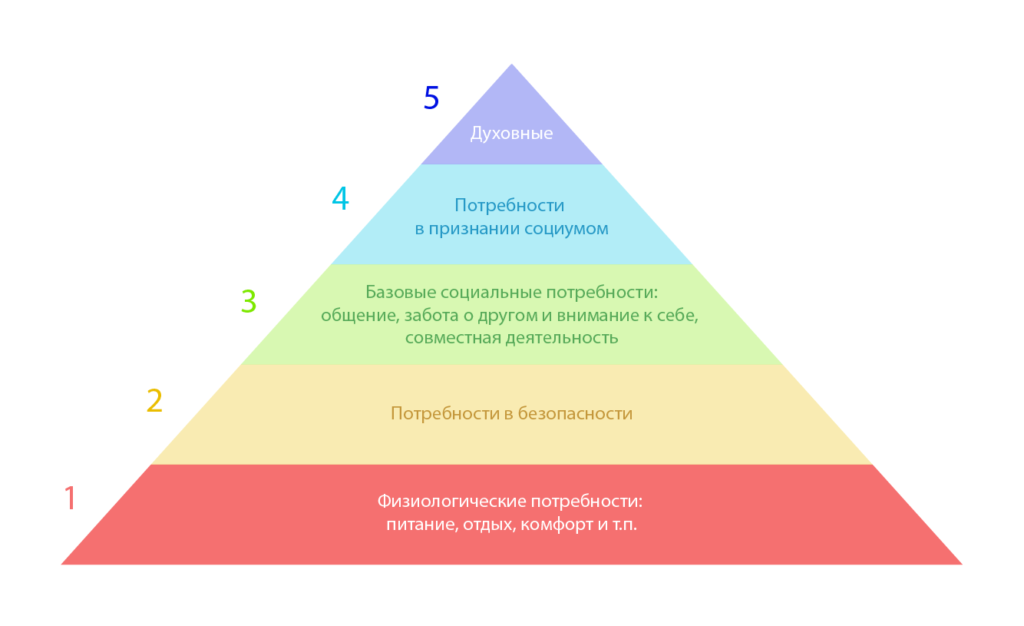
Characters with more complex motivations are more similar to real people. The average person does not think as flatly as needs are depicted on Maslow’s pyramid. In real life, the desire to eat and the pursuit of certain goals are often on par with each other. In the game, whose main character’s motivation is similar to that of a real person, the player will be challenged to prioritize and choose what to do first.
But it can also have the opposite effect: overemphasizing basic needs when higher goals exist can distract from the most interesting parts of the game. This is why games with characters with a high goal often omit moments with replenishing basic needs altogether, so as not to annoy the player by having to search for food when there are more interesting tasks to do.
- The Bone House concept.
According to the “Bone House” concept created to define fairy tales by folklore scholar Vladimir Propp, any story – in our case, a game – is an initiation ritual, after which the character grows above himself, changes.
For games this concept was applied by Nikolay Dybovsky, the head of Ice Pick Lodge, who is sure that the game should push the player to metamorphosis, gaining new skills and knowledge.
- Bridging the gap between hero and player motivation.
Matching the motivation of the protagonist and the player has a positive effect on the immersion of the gameplay. If a person doesn’t just do the actions prompted to them, but wants to do what they are supposed to do, then engagement in the game grows by leaps and bounds.
This also applies to cinema, literature and other such content: only characters that are close to the person are able to evoke empathy, and it is empathy that is the key factor in creating a person’s attitude to what is happening on the screen. This works with computer games as well.
Writer and screenwriter Alexander Freed, who worked on Star Wars: The Old Republic, is also talking about this.
- Break down large-scale tasks into small steps.
According to Alexander Fried, open-world games should not immediately reveal to the player the main goal of their character. New tasks he must learn in stages by completing previous quests. This will allow to immerse a person in the gameplay to a greater extent, to feel the game and get into its plot even before he has to fight with the main monster.
Motivating the protagonist: 3 successful immersion cases
We’ve collected 3 successful cases of symbiosis between gameplay and character motivation that positively impact immersive gameplay:
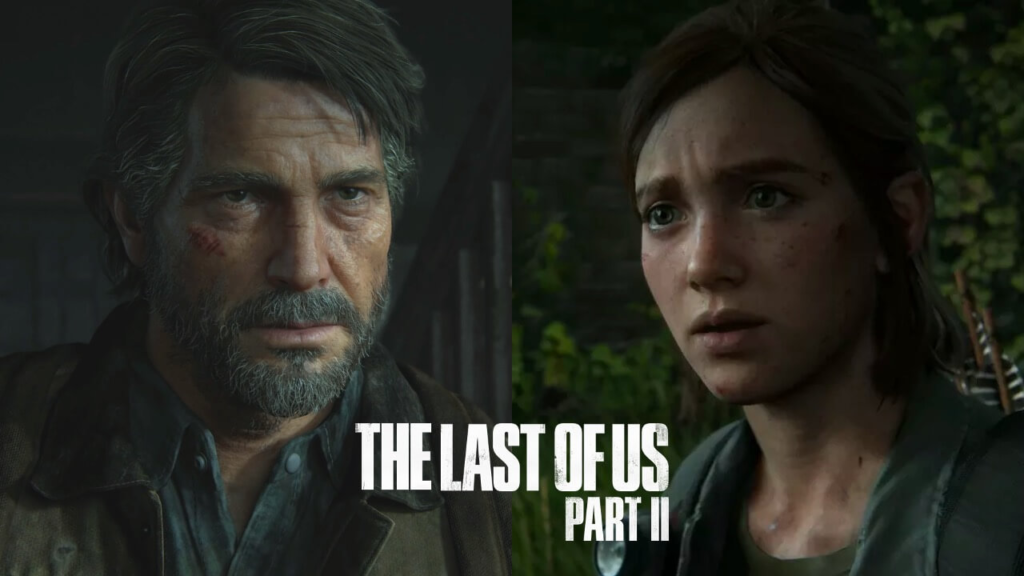
- The Last Of Us. Successful use of Ellie’s kidnapping motivates the player to recover the hero as soon as possible. The effect is achieved through the emotions of the game character, which are also transmitted to the player himself, causing him to rush to save Ellie.
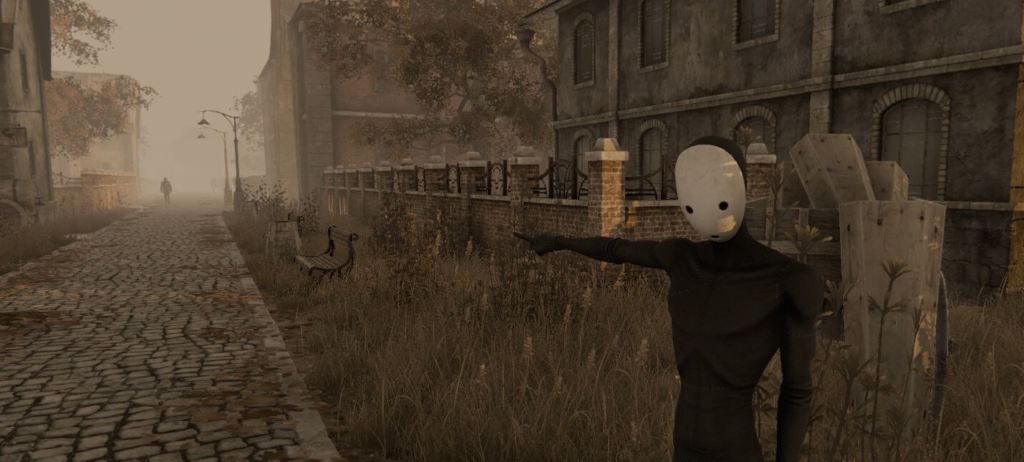
- Mohr. An example of comparing different types of character motivation and needs. In addition to the main goals of defeating the plague, saving the townsfolk from starvation and others, the character has to forage for food and rest, which makes the game realistic. While some players complained about the need to sputter, they also appreciated the naturalistic nature of the game, in which, as in life, you sometimes had to think about whether to eat yourself or feed hungry citizens.
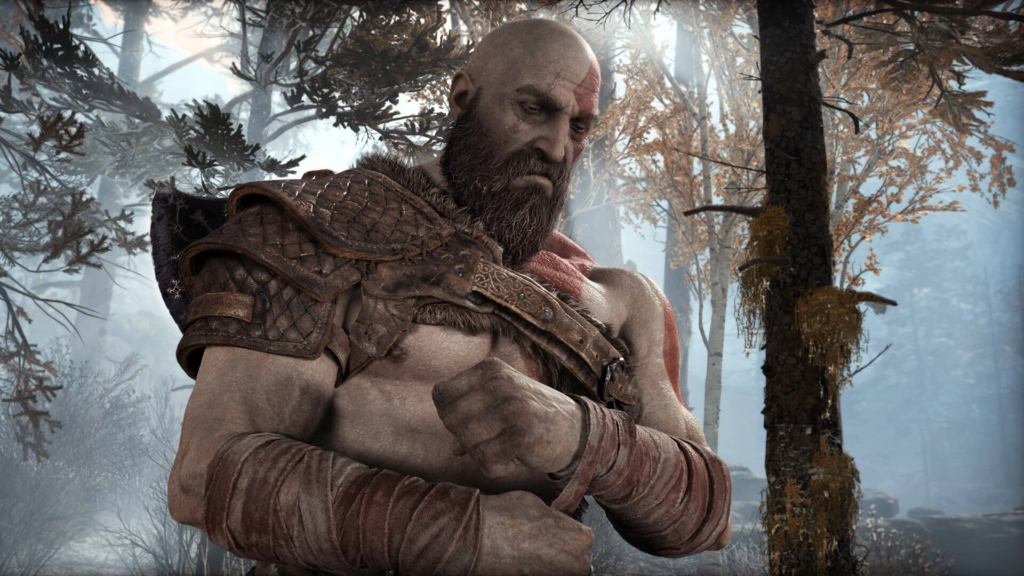
- God of War. The player is pushed to make the right decisions through dialogs with other characters, game clips, and a successfully constructed game world. The soft narration allows for the effect of making decisions on your own, which is important for a fully immersive gameplay experience. The gameplay doesn’t conflict with the story and the characters’ personalities match the actions they have to perform to achieve their goals.
Any game starts with character motivation, whether it’s shown directly to the player or not. To maintain interest in the gameplay, it is important for a person to understand at least intuitively what purpose they are playing for. Motivation in the game is necessary to rationalize gameplay – otherwise fighting, completing quests and any other gameplay actions lose their meaning.
But it is important to realize that the gameplay and motivation of a game character in computer games also depends on the form in which they are presented. For example, games for mobile devices will be different from computer games, and those in turn will not be similar to online games. Each type requires a different approach.
Order gameplay creation in KOLORO
You can order gameplay creation and character motivation development from KOLORO. We’d love to create a full game with deep character motivation and appropriate gameplay to maximize player immersion.
KOLORO will also help to develop advertising communication, SMM promotion strategy, test the website and provide other services for your company. Get all the details on the phone and contact our email.
KOLORO is ready to fulfill your every whim!