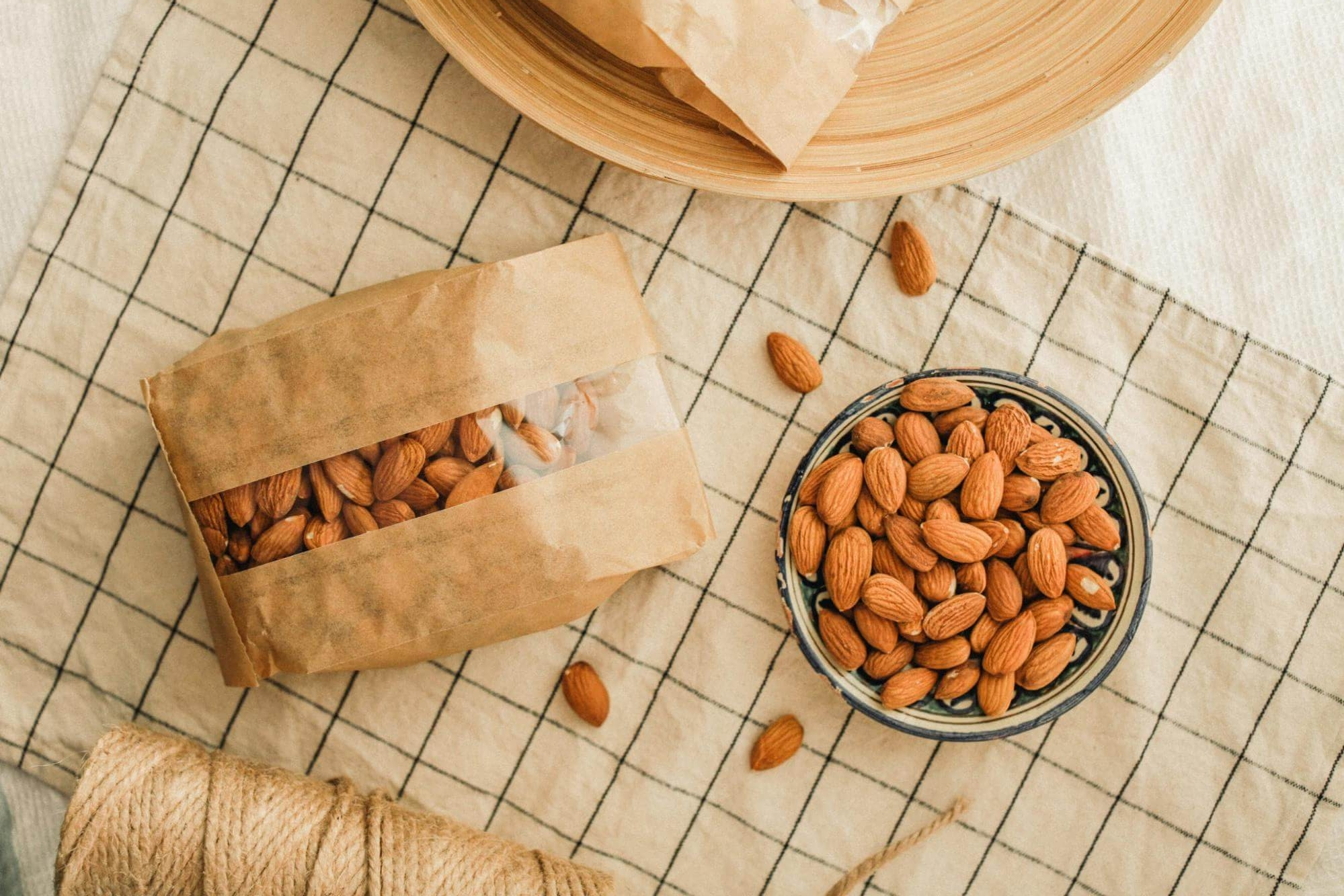
Individual packaging is a necessity for confectionery products. It is required not only for hygienic conditions, convenient transportation and longer shelf life, but also for the external attractiveness of the product. The segment of packaged confectionery products is leading the way with a steady preponderance in production, and consumers also favor it.
Packaging requirements for confectionery products
Packaging for confectionery products has three main functions:
- protects against damage and unfavorable conditions;
- is a place to label the product;
- catches the consumer’s attention.
Packaging for sweet goods must be safe for the product and prevent spoilage, extend shelf life and reduce production costs. In addition, its environmental friendliness has long been an indispensable requirement – the right packaging does not harm the environment.
From a marketing perspective, candy containers should be designed to appeal to the customer, aesthetically complement the product and increase brand awareness.
For the consumer, it is also important how easy the packaging is to open and whether the product can continue to be stored in it after opening. The ergonomics and practicality of sweet containers are two factors that need to be emphasized.
KOLORO knows how to design the right packaging for confectionery products. We offer the best materials and design!

Confectionery packaging materials
The most commonly used materials for packaging confectionery products are:
- cardboard and paper;
- polymers;
- metal;
- combined materials.
The first two materials are the most common among Ukrainian confectionery manufacturers. Metal or wood are suitable for gift or exclusive sweets. Also, the packaging can combine several materials. For example, for greater safety of chocolate, cookies and candies in cardboard boxes, they should be wrapped in film.
Cardboard and paper are weightless, environmentally friendly and compact. They can be used to create boxes, cardboard boxes, labels, wrapping paper and more. The disadvantages of cardboard packaging for confectionery products include low resistance to moisture, unreliable protection from unpleasant odors and relatively high cost.

Cardboard is a familiar material for Ukrainian consumers. If the product contains fat, the paper will become greasy, which means that the appearance of the goods will be spoiled. Paper reduces the shelf life of the product by almost a third, so manufacturers are gradually replacing it with polymers.
Plastics are leading the packaging market. Plastic packaging for confectionery products has low production costs, it is easy to recycle, and it is compatible with a wide range of different confectionery products. But some of the plastic types (excluding the gradually spreading biopolymers) are low-environmental, so it is necessary to consider this when choosing packaging materials. In addition, the appearance of film rarely emphasizes the advantages of confectionery products, so it mainly accompanies the low-price segment of the confectionery industry.
Polypropylene, especially transparent polypropylene, is not suitable for packaging products with a high fat content. Under the influence of light and heat, the fatty components will break down and the product will become rancid if stored for a long time. Therefore, opaque or metallized films are suitable for such products.
Metal packaging is typical for premium segment candies and cookies. It is made of tin, aluminum, alloys or other metals and provides reliable protection against any damage. Its disadvantages are high cost and a small selection of designs. For example, tin cans are the oldest type of packaging for confectionery products. Such packaging emphasizes the status of the company and the high quality of products. Due to the high cost of metal containers, manufacturers rarely choose them.
Packaging made of combined materials – blisters, packaging made of plastic film and cardboard, multilayer polymeric materials. Such packaging increases the shelf life of products and reliably protects them from contamination, weighs little and looks presentable.
Don’t know which packaging will best suit your product? KOLORO specialists will develop a successful packaging for you. Call!

Types of confectionery packaging
1. Flowpack (“briquette”, “fin”).
These are three-seam bags that protect the products well from moisture. If the flow-pack is supplemented with a metallized film, confectionery products will be protected from direct sunlight.
2. Doi-pak.
Can be equipped with a zip-pak or unscrewable cap and can be opened with scissors. The doy-pak is ideal for small packs of confectionery products.
3. Box.
The cardboard box is often used in the confectionery industry and can hold all kinds of sweets. It can be supplemented with a window made of film or be solid. The combination of cardboard with film in the packaging is popular with manufacturers of confectionery products. It increases the shelf life of the product, protects it from neighboring with other products and looks attractive. In contrast to the whole cardboard box, it allows the buyer to familiarize himself with the product through a viewing window.
4. Blister.
One of the lowest cost types of packaging, allowing individual packaging of confectionery products and preserving their shelf life. It can be double-sided (two blister cells connected by a bending point and a “lock”, i.e. a blister box), lined (the same blister box with a cardboard plate) and welded (cardboard plate and blister are glued or lacquered together, rarely used in the food industry).
5. Correx.
A rigid mold made of polymers. It is chosen for products that need to be stored separately in a common package, e.g. chocolates, marmalade, marshmallows. With its help, they retain their marketable appearance and are transported safely. Corks can be produced in any shape and with any design. They can be created individually for a product in different colors and add a trademark. The disadvantage of correxes is that they increase the cost of production when used.
6. Bank.
Occupies a small segment in the confectionery packaging market. It is designed for high value sweets.
7. Others.
Customized types of confectionery packaging.
Manufacturers of confectionery packaging
Ukrplastik, which is among the 20 largest European manufacturers and intends to enter the top 10 in the near future, holds the leadership in the Ukrainian packaging market. It occupies 45% of the Ukrainian market and has been setting standards in packaging production since its opening.
PE “Aventin” is one of the three market leaders. The company has been operating since 1999 and offers customers packaging materials and bags. “Aventin has the necessary facilities to create high-quality flexography and gravure printing.

Aris has been operating since 1992 and has been producing packaging materials since 1997. “Aris works with polymer and paper materials, creating bags, doy-packs, flexible roll packaging, gift wrapping for sweets.
Joint Stock Company “Technologiya” has been on the market since 1990. The company has established exports to many countries, including the UK, Germany, Poland and the USA. “Technologiya is engaged in the development of doy-packs, flexible rolls and other types of packaging from polymeric materials.
UkrPakLine , Alfa-Sintez, Melitto, Svit-Pak, Siver-Pak, Plast-a-Pak, Mirapack, Forma-Pak, Onyx PKF also operate in the section of blisters, containers, correx and other polymer packaging. Roganskaya Cardboard Factory is engaged in creation of packaging from plastic, paper, corrugated cardboard. Euro-Pak works with a variety of materials and fulfills individual orders.
Correct packaging for confectionery products
1. Matching product.
The size and features of the product must be taken into account. That is, when packing marmalade in a flow-pack, you should be prepared for it to stick together, and if you put caramels in a tin can, they may break. For products that contain fat, paper packaging or transparent film should not be used. Fragile chocolate structures require dense, sturdy materials. Light-sensitive materials require impermeable foil, cardboard or metal.

2. Easy to store.
The packaging should be easy to store on a store shelf or in a display case. Add transparent elements to it, if the point above allows – this way the buyer will be convinced of the quality of the product.
3. Simple.
Simplicity of packaging is an important requirement. This makes it easier to transport and place at the point of sale. Complex designs are suitable for exclusive series and handmade sweets.
4. used over and over again.
Choose packaging types that can be recycled. This is not only a huge contribution to the environment, but also a significant advantage for consumers. By the way, labeling the materials used to create the packaging as environmentally friendly will also be an advantage. The number of customers who pay attention to such a label is growing every day.
5. Fits the product.
Packaging should be appropriate to the level of the product, because expensive chocolates cannot be sold in doy-packs. Ensure the quality of the “wrapping” for the product, so that it organically emphasizes the advantages of the product.
6. Talks about the product.
Packaging is an information medium. Make sure that the consumer can easily find all the necessary information about the product, that it is readable and free of errors. The company logo should be visible at a glance.
7. Awakens desire.
Make the consumer look at the product and want to buy it. An appetizing illustration or photo should be placed on a box of sweets. The same applies to the color scheme. Pleasant colors that are easily associated with the product motivate the consumer to buy the product.

Trends in packaging design for candy and other confectionery products
Confectionery is an area where there is a need to let creativity out. The Western market demands simple and bright packaging that stands out on the shelves and is as interesting as possible for the audience. Often manufacturers add a playful element that appeals not only to the children’s segment of the audience, but also to adult consumers.
You should not be afraid of bright colors, use of non-standard textures and materials. Individual illustrations will help to make your “sweet” package unique.
The best illustrations for packaging? KOLORO will tell you what your consumer will love. Contact our managers to find out more.
An interesting example is the collection of Cacao Barry Conduru chocolate from Brazil. All one hundred packages are assembled from wooden cylinders. Several types of wood and a magnetic lid are combined with a graphic font insert. The chocolate itself in the form of a cylinder is additionally packed in foil.
Another interesting example is the cookies from vintage house Fortnum & Mason. The packaging was created by the British agency Together and looks like chests. Inside, the cardboard cylinders have a golden finish, and bright graphic illustrations complete the image.

The variety of packaging materials and designs makes it possible to find exactly the option that best suits the product. The correlation between type, packaging material and price segment can be clearly traced. It is therefore worth analyzing the market in the relevant category before selecting packaging for a confectionery product.
Looking for new packaging for your product? We’ve already started making it happen! Call to make your brand recognizable and successful.